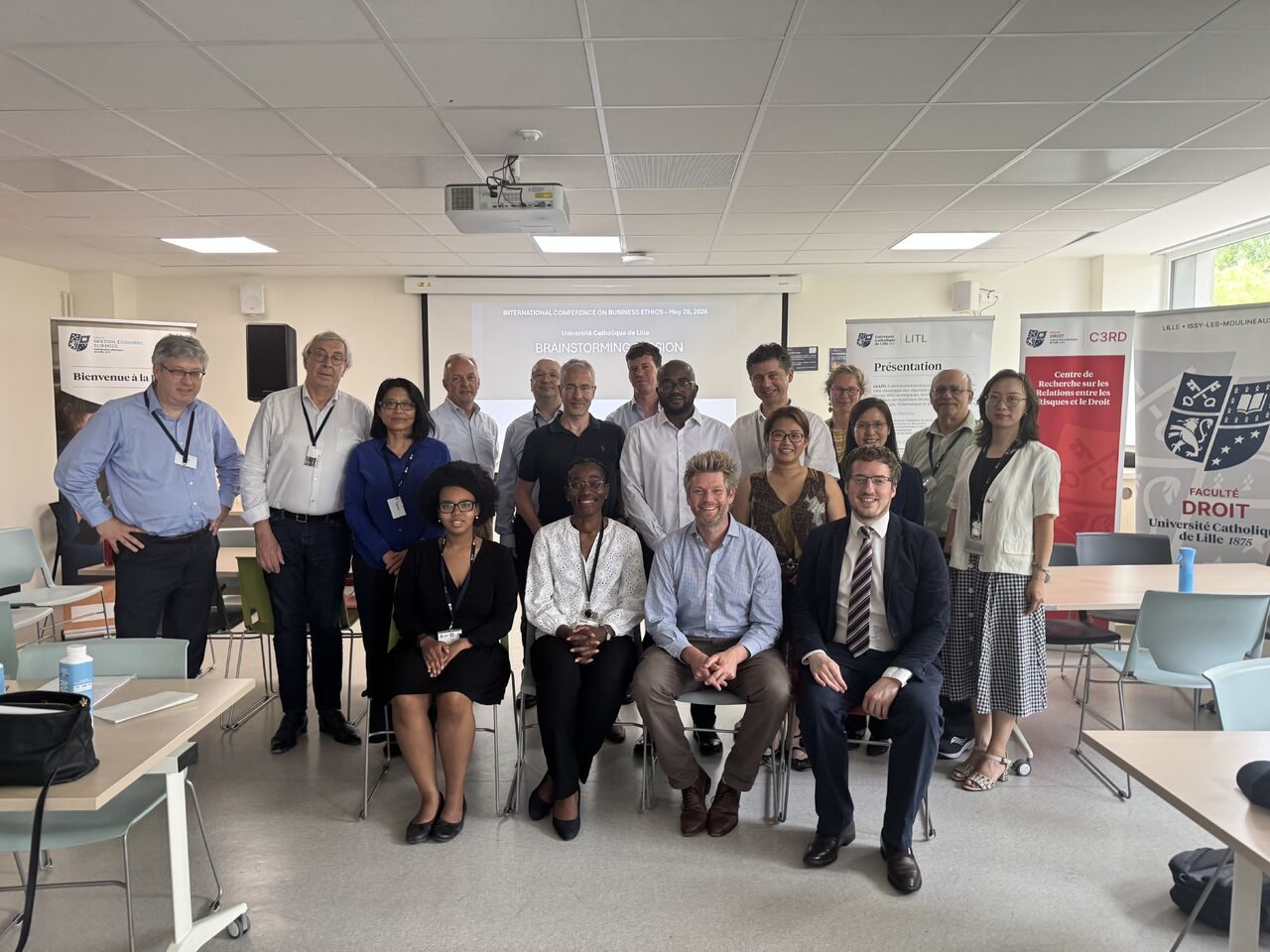
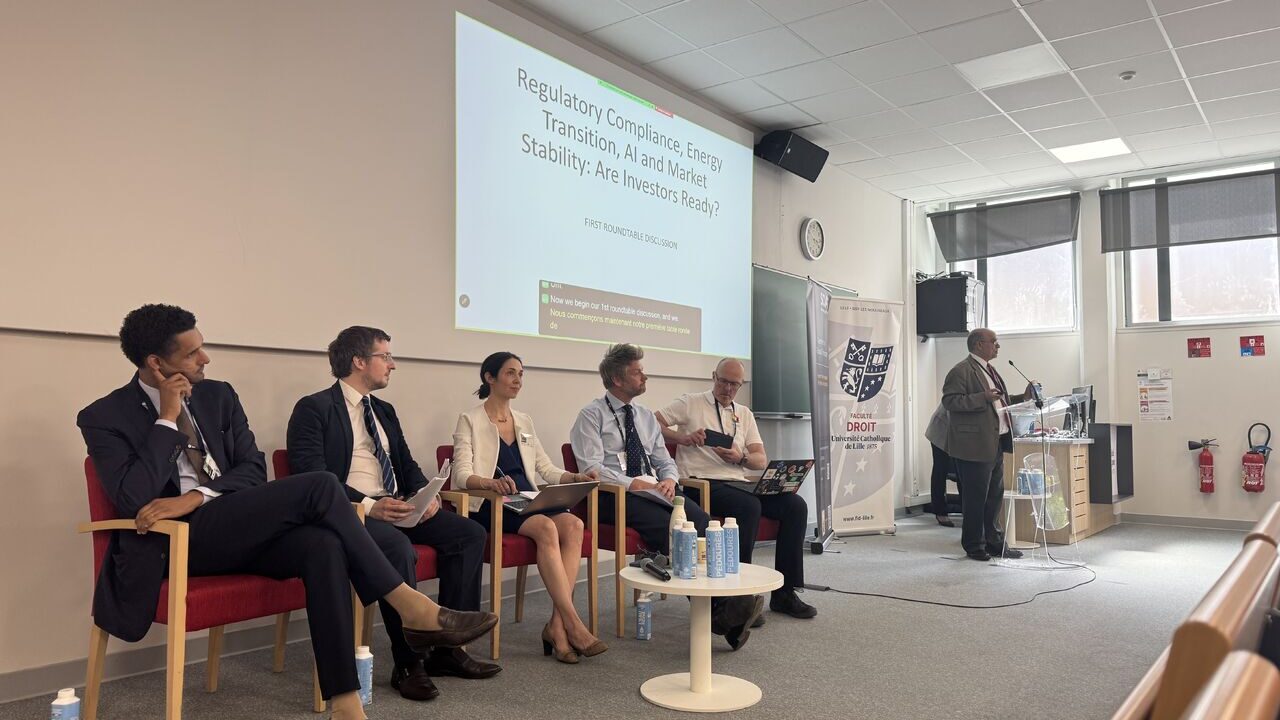
I was pleased to represent ODI Global at the International Conference on Geopolitical Risks, Compliance, and Investment Strategies: Navigating Economic and Climate Uncertainty in the EU and Beyond, hosted by Université Catholique de Lille and jointly organised with SOAS University of London.
I joined the roundtable on “Regulatory Compliance, Energy Transition, AI and Market Stability: Are Investors Ready?” The discussion brought together perspectives from regulation, finance, law, technology and sustainable investment at a time when geopolitical uncertainty, climate risk and regulatory change are reshaping the investment landscape.
A central theme of my contribution was that the key question is not simply whether sustainability and transition frameworks exist, but whether they are changing risk pricing, incentives and capital allocation.
Disclosure is necessary, but not sufficient
Sustainability regulation and disclosure frameworks have advanced rapidly in recent years. Taxonomies, transition-planning requirements, climate-risk reporting and due diligence frameworks are increasingly shaping how financial institutions and corporates understand and communicate sustainability risks.
This is an important development. Better disclosure can improve transparency, reduce greenwashing and help investors compare risks and opportunities more effectively.
But disclosure alone does not guarantee that capital will move differently. The real test is whether these frameworks change lending decisions, investment strategies, portfolio allocation and the cost of capital.
This distinction matters especially in emerging markets and developing economies, where sustainability reporting may be improving but investment behaviour remains constrained by deeper structural factors.
The extra-EU implications matter
EU sustainability and transition frameworks increasingly shape expectations beyond Europe. They influence supply chains, investor due diligence, disclosure requirements, bank lending practices and market access conditions.
That creates both opportunities and risks.
On the opportunity side, stronger frameworks can build investor confidence, improve the credibility of green and transition finance, and support better risk pricing. On the risk side, they can create new compliance burdens for firms and financial institutions outside Europe, particularly those with more limited capacity.
This raises an important question: how can the EU raise global sustainability standards without unintentionally restricting access to capital for the countries and firms that need transition investment most?
The issue is not weaker standards. It is implementable, interoperable and proportionate standards.
For emerging markets, the challenge is often not a lack of sustainability ambition. It is the interaction between regulatory expectations and structural financial constraints: high cost of capital, currency risk, hedging costs, limited market depth and uneven compliance capacity.
AI can improve analysis, but not replace incentives
AI-enabled tools were another important theme of the discussion. There is clear potential for AI to support better scenario analysis, portfolio screening, climate-risk modelling and localisation of climate data.
This could be particularly valuable in markets where data gaps make climate-risk assessment difficult. Better tools can help supervisors, banks and investors understand exposures more clearly and act earlier.
But AI is not a substitute for incentives or market reform.
Better modelling does not automatically lower the cost of capital, deepen domestic capital markets, reduce currency risk or create bankable transition pipelines. There is also a risk of false precision if sophisticated models are built on incomplete or weak underlying data.
AI can improve the quality of analysis. It cannot, by itself, make sustainable investment commercially viable.
From regulation to real investment
The broader lesson is that regulation, finance and policy need to work together.
Sustainability and transition frameworks can send clearer signals to markets, but those signals need to translate into investable opportunities. That requires attention to financial instruments and market structures, including guarantees, blended finance, local currency solutions, stronger domestic capital markets and credible transition pathways.
For ODI Global’s work on private finance in development, this is a central agenda: how to move from frameworks and mobilisation targets to actual development and climate outcomes.
The most important question is not whether we can create more sustainability rules or more labelled financial products. It is whether these frameworks and instruments change where capital flows, on what terms, and with what impact.
That question is especially urgent for emerging markets and developing economies, where investment needs are greatest and financing conditions remain most challenging.
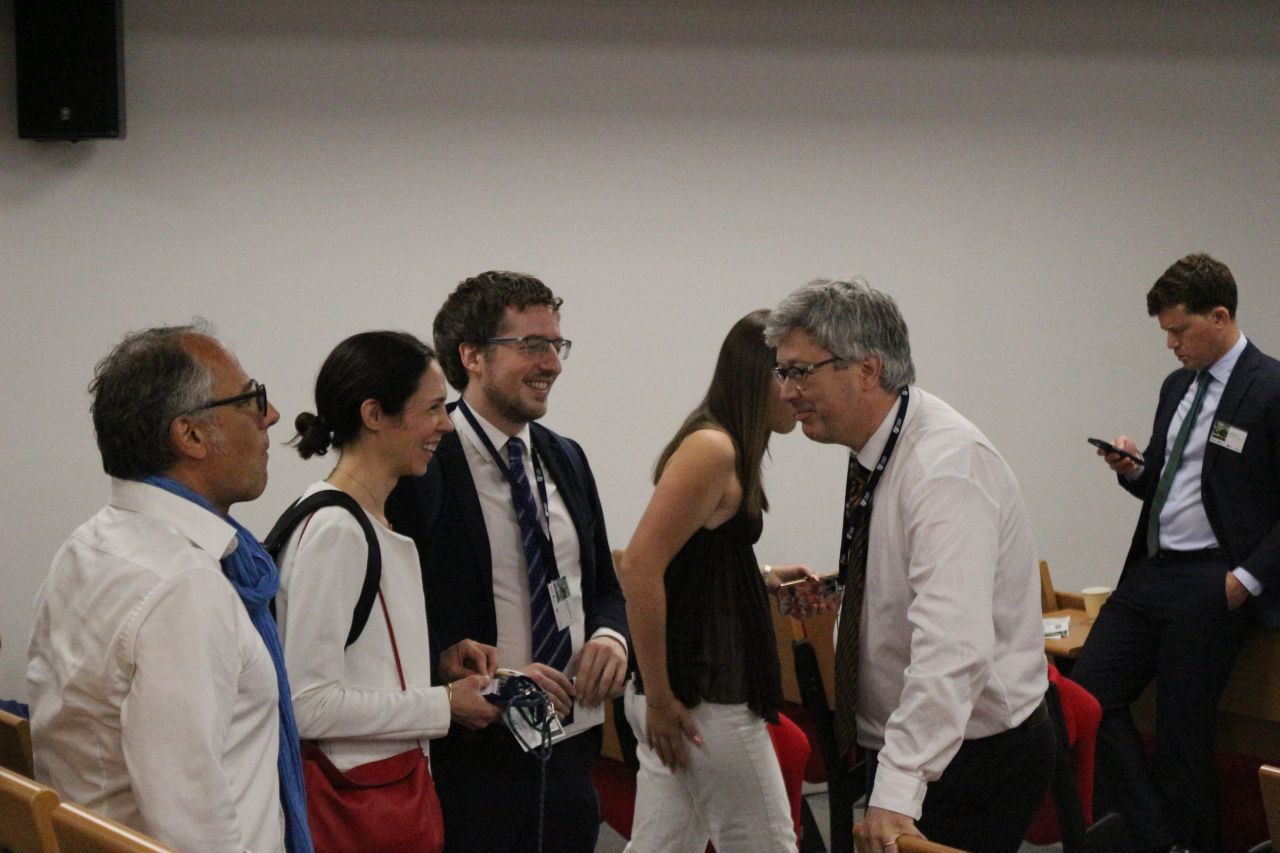
Many thanks to Sandra Kendo, Joseph Sarkis, Meng Xie, Hong Bo and all organisers, speakers and participants for such a rich exchange in Lille.